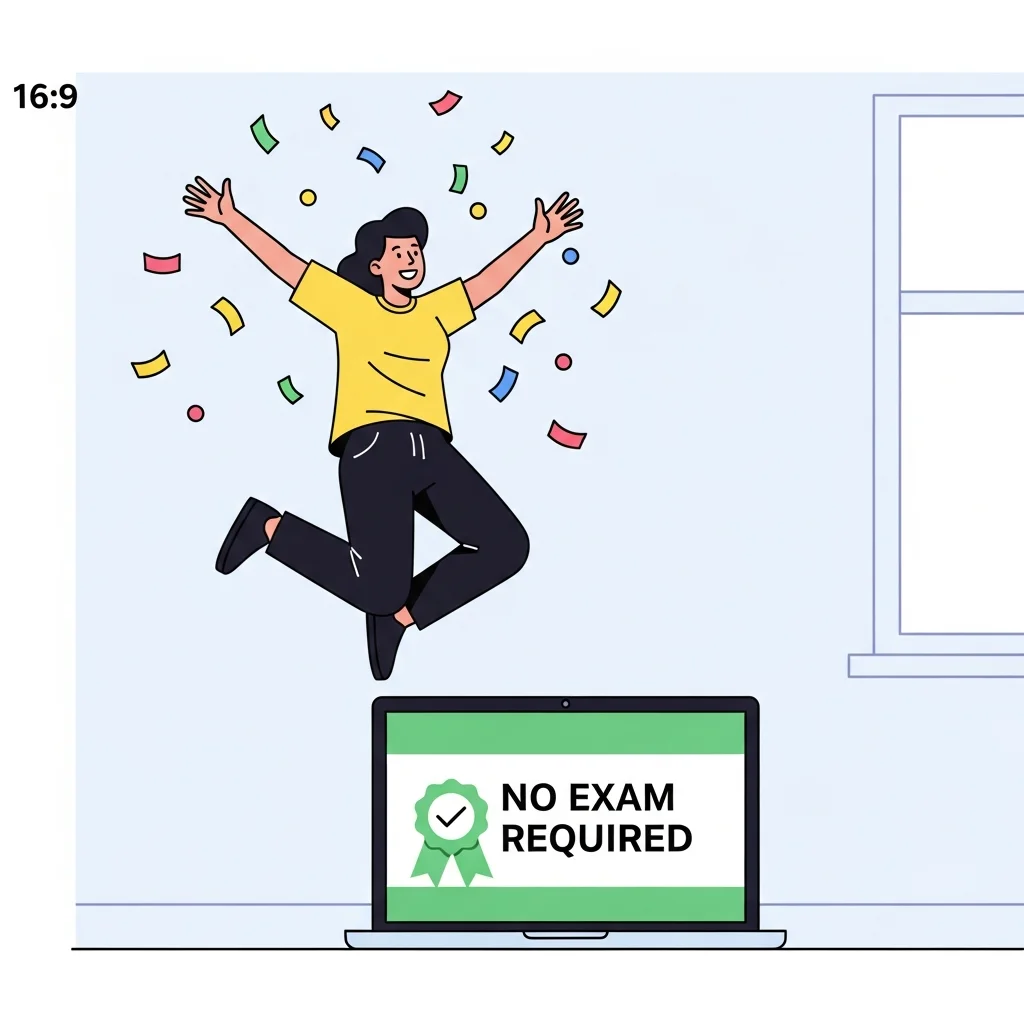
The No-Exam Life Insurance Revolution: Pros, Cons, and Is It Right for You?
You can actually get half a million bucks in life insurance these days without a single needle, doctor visit, or weeks-long wait. Sounds pretty good, right? But before you jump on it, let’s talk about whether it’s actually a good move for you.
Traditional vs. No-Exam: How They Differ
Traditional: You apply, schedule a nurse to visit you (blood, urine, height/weight stuff), they pull your medical records, and you wait 2-6 weeks for an answer.
No-Exam: You fill out a few health questions online. A computer runs your data—like prescription history and public records—and you get an answer in minutes or maybe a day.
How Do They Know If You’re Healthy?
Since they aren't poking you, they look at your answers, scan prescription drug databases, check the Medical Information Bureau, peek at your driving record, and sometimes call you for a quick chat. It’s basically just data-driven underwriting.
Why People Like No-Exam
- It's fast. Like, hours or days fast. If you need coverage because you’re closing on a house or just had a baby, this is a lifesaver.
- It’s super easy. No scheduling, no nurse coming to your house, no needles. You can literally do it while sitting on your couch.
- It’s private. Nobody is physically inspecting you.
- It’s great if you’re needle-phobic. A lot of people skip insurance because they hate the exam. This removes that hurdle.
- It avoids "white coat" stress. If you get nervous at the doctor and your blood pressure spikes, the exam might hurt your rate. No-exam skips that stress.
The Downsides (Here’s the Catch)
- It costs more. A 40-year-old might pay $32 a month with an exam, but $45-55 for no-exam. That adds up to thousands over 20 years.
- Lower limits. Usually, you can only get up to $500k to $1M. If you need a massive policy, you'll probably still need the exam.
- Stricter questions. Since they aren't seeing you in person, they’re going to ask very specific health questions. If you say something wrong or confusing, they might just say no instead of asking for clarification.
- You might leave money on the table. If you’re a picture of health, a traditional exam proves it and gets you the absolute lowest rates. No-exam policies usually cap out at a "good enough" rate class.
Who Should Go for No-Exam?
- You’re busy. If you can’t find time for an exam, this is for you.
- You’re generally healthy and need a moderate amount. If you need $500k or less, the extra cost is usually worth the time you save.
- You hate needles. If that keeps you from getting insured, just do it. Your family needs the protection.
- You need it yesterday. If you have a deadline, don't mess around with a 6-week process.
- You’re over 50. The price gap between exam and no-exam shrinks as you get older, and the exam gets more annoying anyway.
When Should You Skip It?
- You’re young and super healthy. Get the exam. You’ll save thousands of dollars over the years.
- You need more than $500k. You’ll likely need an exam anyway for larger amounts.
- You have minor health stuff. If you have a weird cholesterol number or something that your doctor says is fine, a human underwriter can understand that context. A computer might just charge you more.
- You’re on a tight budget. Every dollar matters, so don’t pay for convenience you don’t need.
Your Options
- Simplified Issue: Usually $25k-$500k, you answer questions, get a decision in a day or two.
- Accelerated Underwriting: This uses data to approve super-healthy people for up to $1M, often at the same price as traditional policies.
- Guaranteed Issue: No questions, everyone gets approved. Costs the most, covers the least (usually $5k-$25k).
Some Real Numbers
- Age 35, $500k: Traditional ($22/mo) vs. No-exam ($32/mo). You’ll pay about $2,400 more over 20 years.
- Age 45, $750k: Traditional ($65/mo) vs. No-exam ($95/mo). You’ll pay about $7,200 more over 20 years.
- Age 55, $250k: Traditional ($85/mo) vs. No-exam ($105/mo). You’ll pay about $3,600 more over 15 years.
Our Advice
If you need coverage *right now*, don’t like needles, or are just swamped, go for the no-exam option. If you can wait a month and want to save some cash, do the exam.
Pro tip: You can get a no-exam policy today for immediate coverage, then apply for a traditional one. If the traditional one comes back cheaper, swap it out. If you need more coverage, keep both.
At the end of the day, having some coverage is way better than having none at all. The bills don't stop, and your family needs to be taken care of.
See Your Options
Head over to MyMesi. We show you the no-exam and traditional options side-by-side so you can see exactly what you’re paying for. No pressure, just the facts.